

Polygon adoption has recently reached a milestone with over 7,000 decentralized apps in its ecosystem. Underpinning it all is an infrastructure that ensures the network’s stability. Here is a quick primer on Polygon validators, what they do and why they matter.
Polygon validators are responsible for verifying the authenticity and validity of transactions within the network and are rewarded in return. All validators will have some MATIC, Polygon’s native token, locked up in the staking protocol at any given moment, and each one runs its node to earn rewards and collect transaction fees.
The number of validators is capped at 100, meaning a fixed number of participants securing the Polygon network. There are more than 2.7 billion MATIC worth over $3.9 billion (as of March 9, 2022) locked up in the Polygon Validator ecosystem. More than 483 million MATIC of total rewards has been distributed among validators, or over $700 million. You can visit the Polygon validator dashboard for more insights.
Polygon communicates with its validator community through dedicated Discord and Telegram channels, keeping them updated on important announcements, including hotfixes, upgrades, and security alerts. Polygon also periodically engages with validators over one-on-one calls to understand their concerns and fix issues they may be facing. Additional support comes from automated bots and dashboards.
DraftKings earlier this month joined the ecosystem marking the first time a major publicly-traded firm has taken an active role in blockchain governance. The digital sports entertainment and gaming company has teamed up with a B2B digital assets infrastructure provider Zero Hash to become a Polygon validator and node operator.
Read more: Polygon Welcomes NASDAQ-Listed DraftKings as Network Validator
While all 100 of the Validator slots are currently taken, Polygon is working on a new onboarding system to ensure the best performance. The process for setting up as a validator is outlined in this document.
In the meantime, you can take part in helping secure Polygon as a delegator by choosing a validator to stake on your behalf. All you need to do is connect your wallet from the Polygon validator dashboard as described in this document and start earning delegator rewards.
Learn more about how staking works and check our blog to keep up with the latest on the Polygon ecosystem!
Website | Twitter | Ecosystem Twitter | Developer Twitter | Studios Twitter | Telegram | Reddit | Discord | Instagram | Facebook | LinkedIn
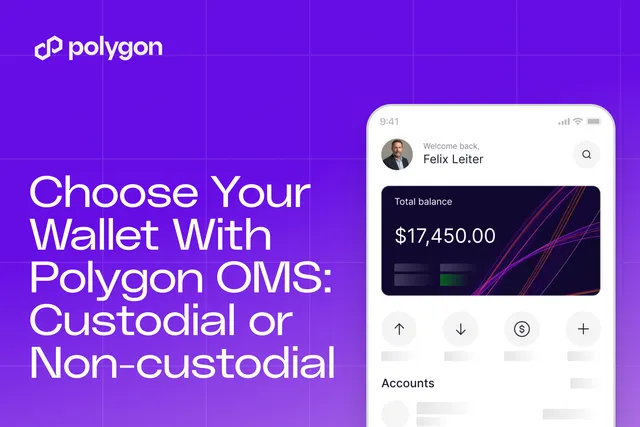
Custodial vs. Non-Custodial Wallets: Which One Should Your Platform Build?
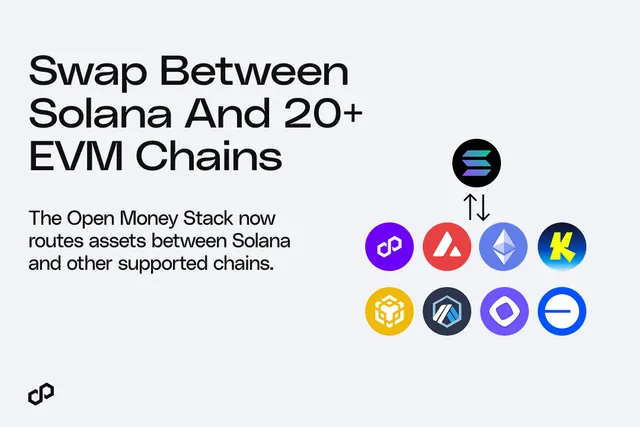
Move Money Between Solana and Polygon, Ethereum, Base + more EVM Chains with Polygon OMS
.CXtdIGFA_Z2ODqj.webp)
Ithaca Upgrade Is Live: Payments on Polygon Chain Are More Reliable Than Ever

Kansai Electric Power's Rewards Arm Turns Loyalty Points Into Real Stablecoin Payments on Polygon Chain

Mento Protocol Launches on Polygon for Local Currency Stablecoin Payments
PayPal USD Lands on Polygon Chain, Enabling Regulated Onchain Dollars to Move Across Borders in One Integration

Credible Races Past $152M Total Payments Volume on Polygon
We Built the Best Blockchain for Payments. Now We’re Bringing the World’s Enterprises Onchain
Uquid Integrates Polygon's Open Money Stack for 1-Click Crypto Checkout Across 178M+ Products
.Cfn0LZ0R_2iwkGz.webp)