
Polygon Labs submitted its response to the Discussion paper by the Fintech-Innovation Hub of the Authorite de controle prudentiel et de resolution (ACPR), a division of the Banque de France, entitled ‘Decentralised’ or ‘disintermediated’ finance: what regulatory response?”
We appreciate the ACPR’s robust and comprehensive examination of the DeFi ecosystem, and commend the collaborative approach to contemplating policy and regulation in a novel and emerging technological system.
The Discussion Paper examines many aspects of the DeFi ecosystem, including the “three main layers” that the ACPR believes comprise DeFi (L1s/L2s, the smart contract app layer, and the various systems allowing users to access DeFi), oracles, decentralized governance and stablecoins.
The paper also lays out various options for ensuring the safety and soundness of the DeFi ecosystem, and to ensure that users of DeFi protocols may be both protected from and well-informed about the potential risks of using DeFi protocols. ACPR examined the way in which the technology operates and set forth unique regulatory approaches in the discussion paper, including certifications by third party code auditors, embedded supervision (rules set forth in code), and protections around data provision through oracles.
We are generally supportive of the ACPR’s definition of “DeFi” and the hallmarks of the system, but note that any definition of “decentralisation” must be flexible and account for the “regulatory outcome” looking to be achieved rather than a hard line, definitive approach.
Guided by our Policy Principles, our responses to the Discussion Paper’s proposed regulatory scenarios seeks to ensure that any new laws seek to regulate activities – and not simply technology or software developers. For this, our response to the Discussion Paper advocates against direct regulation of permissionless blockchains and against the proposal to transfer all “financial functions” in DeFi to private blockchains, which would eliminate some of the primary benefits of public blockchains – the efficiency and certainty of operating through smart contracts as well as the transparency of the system.
In the same vein, we offered various additional proposals and solutions on how to mitigate risks and protect users.
Cooperation among regulators, policymakers and industry will produce the most fruitful results in ensuring the integrity of this new and novel system, while allowing innovation to flourish. We appreciate the opportunity to engage in this type of reciprocal effort with the ACPR.
Website | Twitter | Developer Twitter | Telegram | Reddit | Discord | Instagram | Facebook | LinkedIn
Custodial vs. Non-Custodial Wallets: Which One Should Your Platform Build?
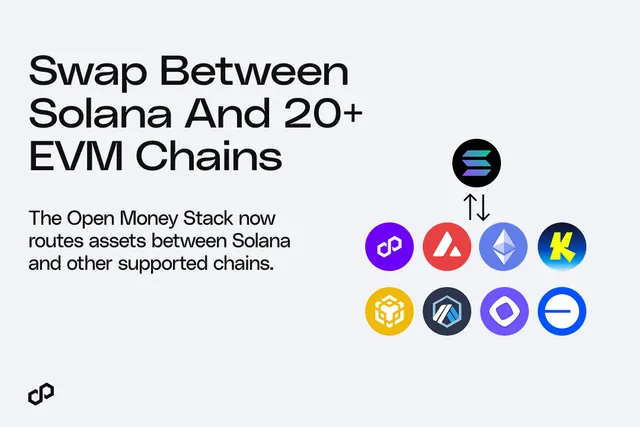
Move Money Between Solana and Polygon, Ethereum, Base + more EVM Chains with Polygon OMS
.CXtdIGFA_Z2ODqj.webp)
Ithaca Upgrade Is Live: Payments on Polygon Chain Are More Reliable Than Ever
Kansai Electric Power's Rewards Arm Turns Loyalty Points Into Real Stablecoin Payments on Polygon Chain

Mento Protocol Launches on Polygon for Local Currency Stablecoin Payments
PayPal USD Lands on Polygon Chain, Enabling Regulated Onchain Dollars to Move Across Borders in One Integration
Credible Races Past $152M Total Payments Volume on Polygon
We Built the Best Blockchain for Payments. Now We’re Bringing the World’s Enterprises Onchain
Uquid Integrates Polygon's Open Money Stack for 1-Click Crypto Checkout Across 178M+ Products
.Cfn0LZ0R_2iwkGz.webp)