We all know that Ethereum needs to scale, and we at Polygon believe that zero-knowledge (ZK) tech is the most promising pathway to get there. But that path has often seemed as if it would be long and winding. The conventional wisdom has been that the crypto space would need many years to develop Layer 2 solutions that could give us both the scalability benefits of ZK proofs and compatibility with the Ethereum Virtual Machine (EVM).
The vision for a zkEVM with complete EVM-equivalence is simple. Developers seamlessly deploying any Ethereum smart contract to a Layer 2 that scales infinitely using ZK proofs. Any tooling or dApp on Ethereum used in exactly the same way on a zkEVM. Users and developers alike reaping the futuristic benefits of ZK proofs, all while benefiting from the decentralization, security, and familiarity of Ethereum.
We are proud to announce that the wait is over. Introducing Polygon zkEVM, the future of Ethereum scaling.
The promise–and challenges–of ZK Rollups
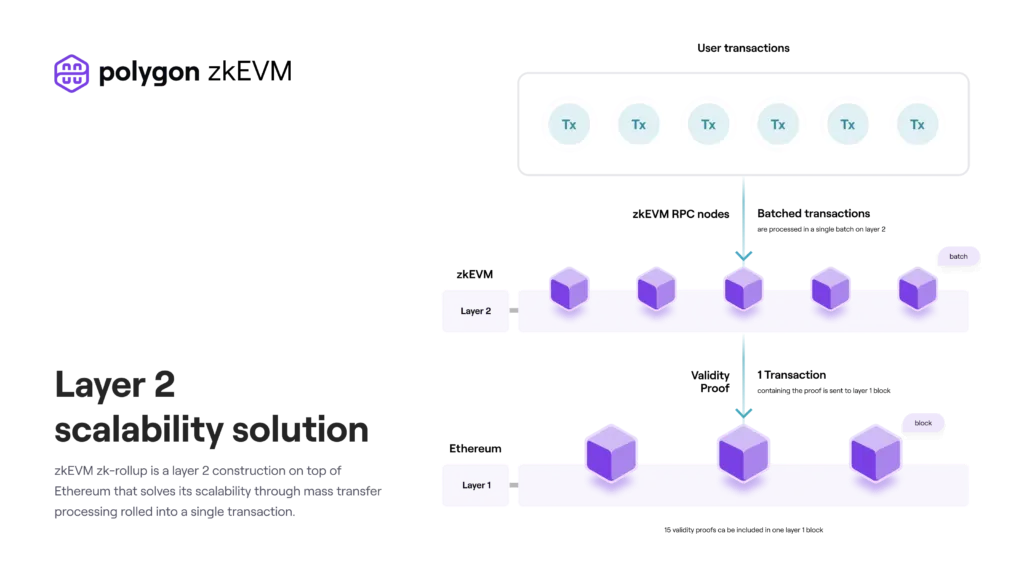
The basic approach to scaling Ethereum with ZK proofs is to build a ZK rollup, a Layer 2 protocol which “rolls up” a large batch of transactions and proves all of them to the Ethereum network with a single ZK validity proof. The potential for a ZK rollup to scale Ethereum is obvious: One transaction replaces many, increasing throughput, saving on fees, reducing latency, etc. But ZK technology comes with its own challenges.
First there’s the problem of performance. ZK proofs have always been seen as a promising technology, but they’ve tended to be slow and expensive to generate. It’s not worth using ZK to scale Ethereum if you can’t drastically improve on the cost and throughput of Ethereum mainnet.
Then there’s the challenge of compatibility. What if your ZK rollup can’t run the code deployed on Ethereum? What if building an app on this ZK rollup requires learning a brand new coding language, or participating in a new developer ecosystem that won’t benefit from the millions of developer-hours already invested in improving tooling and knowledge around the EVM? What if, in other words, you can’t use this Ethereum Layer 2 in the same way you would use Ethereum?
Because of these challenges, conventional wisdom has held that a performant and compatible zkEVM was years away.
Polygon zkEVM to the rescue
Polygon’s ZK teams have made major breakthroughs in performance. Working together, we’ve significantly improved proof-generation times. This makes Polygon zkEVM ready for primetime. Users will see dramatically reduced costs and improved speed.
Even more exciting is the EVM-equivalence of Polygon zkEVM. You can build on Polygon zkEVM the same way you would on Ethereum. You can deploy any Ethereum smart contract. Any tooling that works with Ethereum will work on Polygon zkEVM. Do anything you would do on Ethereum, for lower cost and at greater speeds, and have it verified on the Ethereum network via a ZK validity proof. It’s Ethereum, but with ZK scalability.
These are big promises, and we’ll be releasing more documentation to elaborate on the details. Our testnet will soon be live, and it’s just that–a test, a way for our devs and the community to explore possibilities and make improvements. In the meantime, here’s the basic architecture of Polygon zkEVM, to give you a sense of how this works:
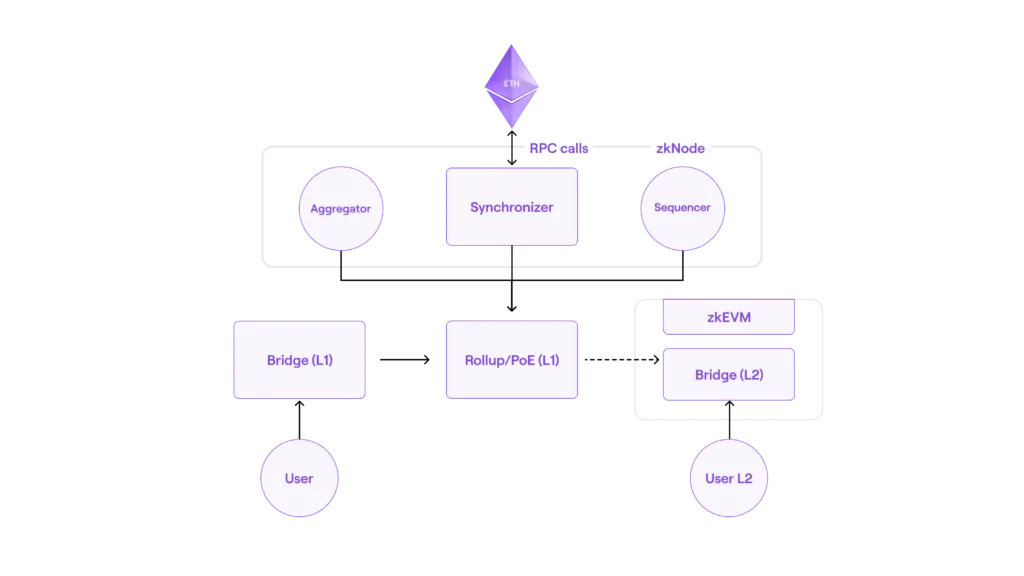
[Architecture diagram]
Permissionless, open-source, and for the Ethereum community
Polygon zkEVM was built by Polygon, but it’s for everyone who wants a cheaper, faster way to use Ethereum without sacrificing security or decentralization. Polygon zkEVM is permissionless–anyone can use it. It’s also open-source, meaning you can trust the code, rather than trusting us.
We knew that Ethereum needed to scale. We knew that ZK Proofs were the best way to do so. We knew that EVM-equivalence was the secret sauce that would empower both devs and users. So we built Polygon zkEVM, the next giant leap for Ethereum.
Today we are open-sourcing the code for Polygon zkEVM. Soon we’ll have a public testnet, which will be an opportunity to test our work, and to find areas where it needs to be improved. As is always the case in crypto, the alpha version of Polygon zkEVM won’t be perfect. But we do believe it puts us on the path to scaling Ethereum and onboarding the next billion users. We hope you’ll join us on this journey!
[mailpoet_form id=“1”]
To learn more about Polygon zkEVM, please click here
Source code of the Polygon zkEVM is available in the following github: https://github.com/0xpolygonhermez
Website | Twitter | Ecosystem Twitter| Developer Twitter | Studios Twitter | Telegram | Reddit | Discord| Instagram | Facebook | LinkedIn
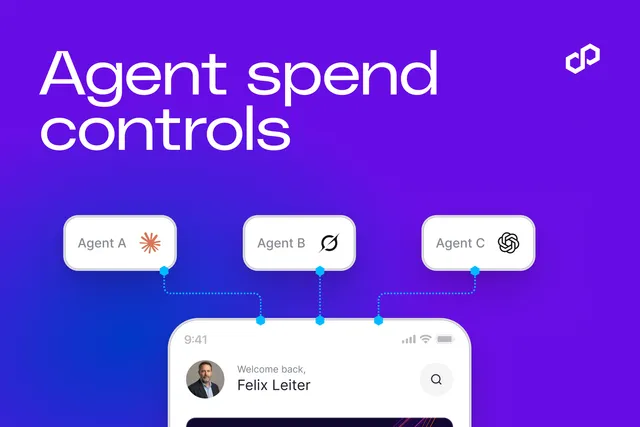
New to Polygon OMS: Agent payments with limits your team sets
Introducing Polygon CDK Besu: Launch a Hyperledger Besu chain connected to other chains and their liquidity

Polygon Open Money Stack is now a U.S.-regulated payments platform with completion of Coinme acquisition
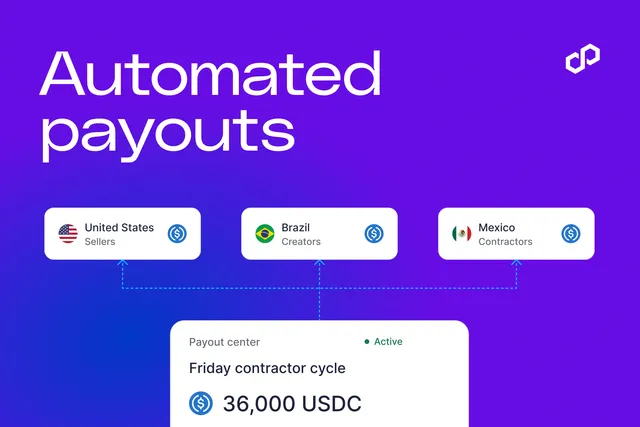
New to Polygon OMS: Automated stablecoin payout runs with rules your team sets
Polygon Open Money Stack now supports TRON
Meet Polygon at Money20/20 USA
Monerium, Frax and Capa connect euro payments to onchain FX markets on Polygon
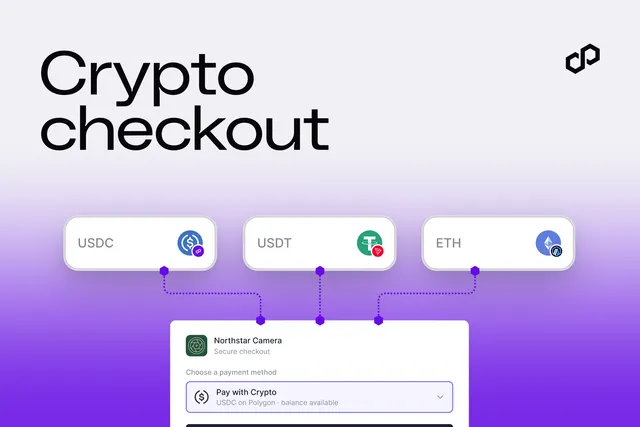
Introducing crypto checkout in Polygon Open Money Stack
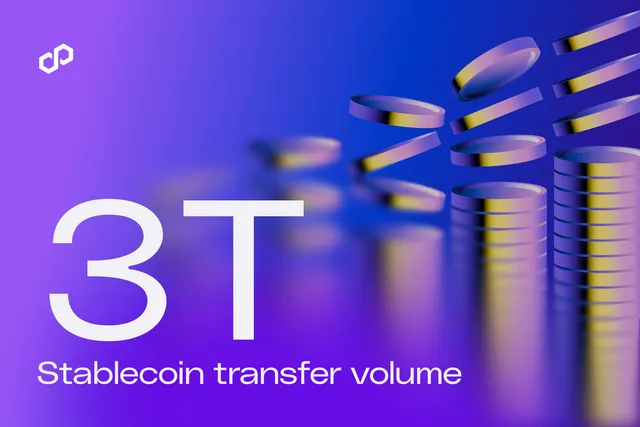
Polygon passes $3 trillion in stablecoin transfer volume