TLDR: Calastone uses Polygon to modernize global fund distribution infrastructure
- Calastone is bringing global fund distribution onchain by integrating blockchain infrastructure into its existing fund network.
- Polygon has been selected as the blockchain layer to support tokenized fund issuance, settlement, and operational workflows.
- The initiative focuses on improving efficiency, reducing settlement time, and simplifying reconciliation for institutional fund distribution.
- This marks a step toward applying blockchain technology to regulated, real-world asset management workflows.
Calastone adopts blockchain to transform global fund distribution
Calastone operates the world’s largest global fund distribution network, connecting asset managers, fund distributors, and transfer agents across multiple markets. Its infrastructure supports the processing and settlement of fund transactions at institutional scale.
By bringing fund distribution onchain, Calastone aims to modernize how mutual funds and tokenized funds are issued, distributed, and settled. The initiative is designed to improve operational efficiency while maintaining compatibility with existing regulated financial workflows.
Why global fund distribution is moving onchain
Traditional fund distribution relies on fragmented systems, delayed settlement cycles, and complex reconciliation processes between multiple intermediaries. These inefficiencies increase operational cost and slow down fund issuance and settlement.
Using blockchain infrastructure allows fund transactions to be represented and settled on a shared ledger. This reduces reconciliation complexity, improves transparency, and enables faster settlement compared to legacy processes.
How Calastone uses Polygon for onchain fund infrastructure
Onchain issuance and settlement of funds
Calastone’s onchain approach enables funds to be issued and settled using blockchain-based workflows. This creates a more streamlined process for distributing funds across multiple participants while maintaining institutional controls.
Improving operational efficiency for asset managers and distributors
By using blockchain settlement, asset managers and distributors benefit from reduced manual reconciliation, clearer transaction records, and faster processing. These improvements are aimed at lowering operational overhead without disrupting existing roles in the fund ecosystem.
Why Polygon was selected for institutional fund distribution
Predictable settlement and low transaction costs
Institutional fund infrastructure requires predictable performance and controlled costs. Polygon provides low transaction fees and consistent settlement behavior, making it suitable for high-value and high-volume fund operations.
Scalability and reliability for regulated financial workflows
Polygon’s infrastructure supports scalable transaction processing while maintaining reliability required for regulated financial activity. This makes it appropriate for institutional-grade use cases such as fund issuance, settlement, and administration.
What onchain fund distribution enables for asset management
Faster settlement and improved transparency
Onchain settlement shortens settlement cycles and provides a clear, shared record of fund transactions. This improves transparency across participants and reduces delays inherent in multi-system reconciliation.
A bridge between traditional finance and tokenized funds
Calastone’s approach bridges traditional asset management workflows with tokenized fund infrastructure. This allows institutions to adopt blockchain benefits without abandoning established regulatory and operational frameworks.
What this signals for the future of institutional finance
The Calastone and Polygon integration signals growing interest in applying blockchain infrastructure to core financial market plumbing rather than consumer-facing experimentation.
By focusing on real-world fund distribution, the initiative highlights how blockchain can be used to modernize institutional finance through efficiency gains, faster settlement, and operational clarity.
FAQs
What is Calastone and what does it do?
Calastone operates the world’s largest global fund distribution network, connecting asset managers, fund distributors, and transfer agents. It enables the processing, settlement, and administration of fund transactions across multiple markets.
Why is Calastone bringing fund distribution onchain?
Calastone is bringing fund distribution onchain to reduce settlement time, improve transparency, and simplify reconciliation across fund participants. Blockchain infrastructure enables more efficient processing compared to fragmented legacy systems.
How does blockchain improve fund distribution?
Blockchain improves fund distribution by providing a shared ledger for transaction settlement. This reduces manual reconciliation, increases transparency, and enables faster settlement while maintaining institutional controls.
Why did Calastone choose Polygon?
Calastone chose Polygon because it offers low transaction costs, predictable settlement behavior, scalability, and reliability suitable for institutional-grade financial workflows such as fund issuance and settlement.
What types of funds can benefit from onchain distribution?
Mutual funds and tokenized funds can benefit from onchain distribution by gaining faster settlement, improved operational efficiency, and clearer transaction records across asset managers and distributors.
Does onchain fund distribution replace existing financial roles?
No. Onchain fund distribution is designed to complement existing roles such as asset managers, distributors, and transfer agents by improving efficiency and settlement processes rather than removing institutional structures.
Introducing Polygon CDK Besu: Launch a Hyperledger Besu chain connected to other chains and their liquidity

Polygon Open Money Stack is now a U.S.-regulated payments platform with completion of Coinme acquisition
New to Polygon OMS: Automated stablecoin payout runs with rules your team sets
Polygon Open Money Stack now supports TRON
Meet Polygon at Money20/20 USA
Monerium, Frax and Capa connect euro payments to onchain FX markets on Polygon
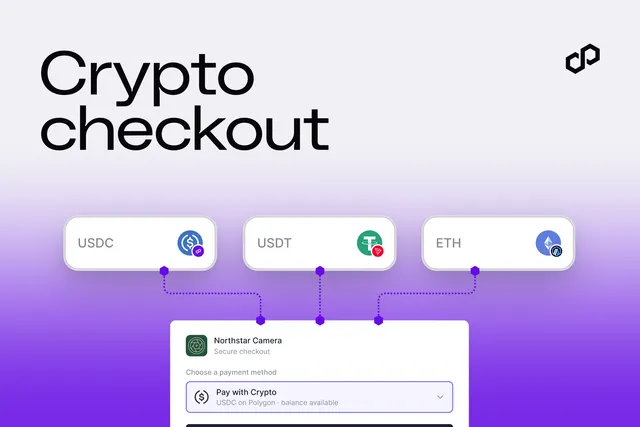
Introducing crypto checkout in Polygon Open Money Stack
Polygon passes $3 trillion in stablecoin transfer volume
Polygon Chain now supports 11 million payments per second