Eleos Labs, a leading Singapore-headquartered Web3 cybersecurity startup, is integrating its FailSafe suite of anti-theft and fraud detection systems to the Polygon network to make everyone’s blockchain journeys safer.
The new pilot program is a collaboration with GrabDefence, a proprietary anti-fraud SaaS solution from Southeast Asian superapp Grab. Eleos Labs is leveraging its experience dealing with cybercriminals and money laundering syndicates in Web2 to deploy battle-tested services that protect users from stolen private keys, smart contract hacks, and exploited unlimited ERC-20 approvals.
“Web3 is at an inflection point as it evolves from an experimental frontier for the early adopters to a space that welcomes anyone, regardless of their level of experience or technical skill,” said Urvit Goel, VP, Head of Global Business Development at Polygon Labs. “Security is an indispensable component of the kind of user experience that gets us to mass adoption, with tools like FailSafe paving the way forward.”
The “not your keys, not your crypto” ethos prevalent in Web3 is a double-edged sword when it comes to security. Last year saw $3.8 billion of crypto lost to theft and another $5.9 billion to scams, according to Crypto Crime Report by Chainalysis. Because the great power of self-custodying one’s own assets comes with an equally great responsibility, every bit of help counts when it comes to being safe online.
FailSafe is designed to ensure that digital assets owned by platforms and their end users are protected against malicious attacks. The solution adopts a defense-in-depth approach that secures assets through multiple layers of security: real-time detection of security risks, reduction of attack surface area and interception of malicious transactions. When a threat is detected, FailSafe swiftly intercepts malicious transactions and ensures assets are moved to safety.
“The lack of practical and effective security solutions is one of the greatest obstacles to the mass adoption of Web3,” said Foo Wui Ngiap, Eleos Labs’ Group Advisor. “Just like how the Internet evolved into becoming a safer place over the last three decades, Web3 too has to go through that journey. We’re excited to be part of the pioneers that will accelerate that future.”
To find out more about Failsafe suite of security solutions, head over to www.eleoslabs.io to start engaging with their cybersecurity experts today. Be sure to read our blog for the latest and follow Polygon Labs on socials.
Together, we can build an equitable future for all through mass adoption of Web3!
Website | Twitter | Developer Twitter | Telegram | Reddit | Discord | Instagram | Facebook | LinkedIn
Hold Dollars in Polygon's Open Money Stack. Convert to Stablecoins the Moment You're Ready.
Get Unlimited Embedded Wallets Free, With Crosschain Routing Included

Polygon Labs Joins NOBO Finance and Dun & Bradstreet in Phase 2 of the Bank of England's Digital Pound Lab
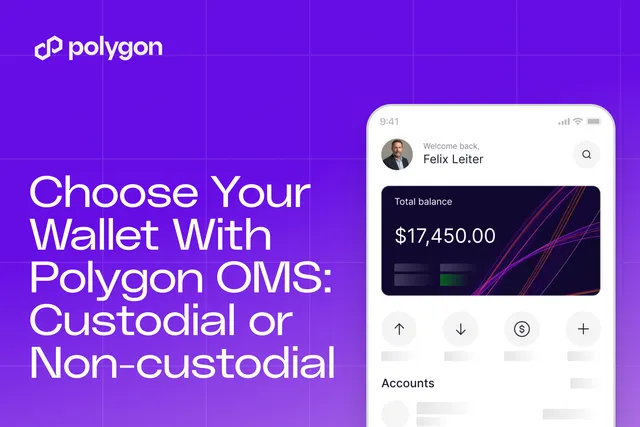
Custodial vs. Non-Custodial Wallets: Which One Should Your Platform Build?
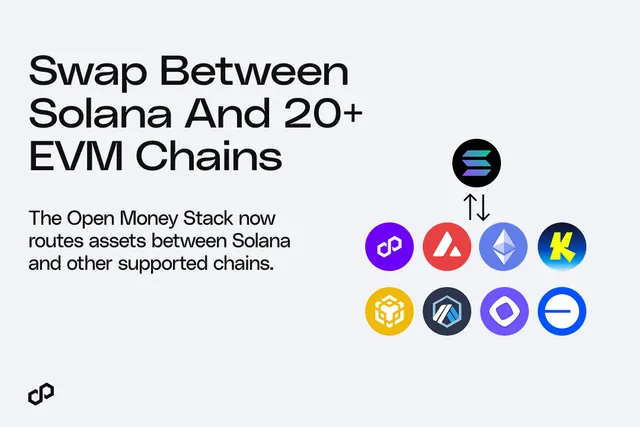
Move Money Between Solana and Polygon, Ethereum, Base + more EVM Chains with Polygon OMS
.CXtdIGFA_Z2ODqj.webp)
Ithaca Upgrade Is Live: Payments on Polygon Chain Are More Reliable Than Ever

Kansai Electric Power's Rewards Arm Turns Loyalty Points Into Real Stablecoin Payments on Polygon Chain

Mento Protocol Launches on Polygon for Local Currency Stablecoin Payments
PayPal USD Lands on Polygon Chain, Enabling Regulated Onchain Dollars to Move Across Borders in One Integration