Starting today, PayPal USD (PYUSD) is issued natively on Polygon Chain through Paxos and available through the Polygon Open Money Stack (OMS), enabling businesses to move federally regulated onchain dollars across borders through a single integration, with regulated payins, payouts, and compliance built in.
Businesses already processing payments on Polygon can access PYUSD directly, through the same wallets, ramps, and compliance tooling they are already using.
Polygon Chain settles more than $2.5 billion in stablecoin volume every day and has settled more than $2.6 trillion in total stablecoin volume.
PYUSD joins this infrastructure as a federally regulated dollar stablecoin. Paxos issues it under a national trust charter supervised by the Office of the Comptroller of the Currency (OCC), which makes it one of the largest US dollar stablecoins issued by a federally regulated entity.
For a regulated buyer, that federal backing means PYUSD meets the compliance bar that institutional and enterprise use cases require.
One integration, no assembly required
Putting a stablecoin into production in your payments app used to mean assembling the pieces yourself.
A token on one service, payins and payouts through another, with compliance tooling hovering above it all, plus the engineering work of wiring them together.
We built the Open Money Stack to collapse that into a single integration. With PYUSD now native on Polygon Chain, a business can accept money from a card, bank account, or exchange balance, hold and move PYUSD across borders, and cash out to local currency through a single integration.
That consolidation shows up on the balance sheet. Settlement lands faster. Operational overhead drops because there is one vendor relationship to manage instead of several stitched together.
Who this is for
Start with payroll. A company paying contractors across three countries can now run those payouts in PYUSD on infrastructure that already moves serious volume, without standing up its own banking and compliance stack. The same path opens for a marketplace settling with overseas sellers and a remittance app moving money into emerging markets. Fiat to stablecoin settlement and back, one integration, a federally regulated stablecoin at the center.
The people on the receiving end feel it too. Payouts arrive faster. Fewer transactions fail. Money lands in local currency without the delays and fees typical of correspondent banking.
What the partnership means
“A stablecoin is only as useful as the places it can go and what it can do when it gets there,” said Marc Boiron, CEO of Polygon Labs. “Bringing PYUSD natively into the Open Money Stack means a business can take money in, move it across borders, and cash it out in one integration, with compliance built in. When a federally regulated stablecoin is available on infrastructure that already moves money at scale, businesses stop asking whether stablecoin payments are ready and start asking what they can build with them.”
“As the regulated issuer of PYUSD, our role is to bring trusted stablecoins to businesses and institutions wherever they need them,” said Peter Jonas, Chief Revenue Officer, Paxos. “PYUSD is issued under a national Trust charter supervised by the OCC, and bringing it natively to Polygon puts a federally regulated, dollar-backed stablecoin on one of the most active networks for stablecoin payments. Businesses running on the Open Money Stack can now settle in PYUSD with confidence in the compliance and regulatory oversight that serious money requires.”
Get started
PYUSD already operates across several networks and markets. Its native issuance on Polygon Chain connects it to the ecosystem where stablecoin payments are most active, and where the Open Money Stack provides the wallets, ramps, compliance, and cross-chain routing businesses need through a single integration.
For a builder, the next step is short. Point your existing Polygon integration at PYUSD and settle. The wallets, ramps, and compliance tooling you already use carry over.
Businesses and developers can get started at the Open Money Stack.

Polygon Open Money Stack is now a U.S.-regulated payments platform with completion of Coinme acquisition
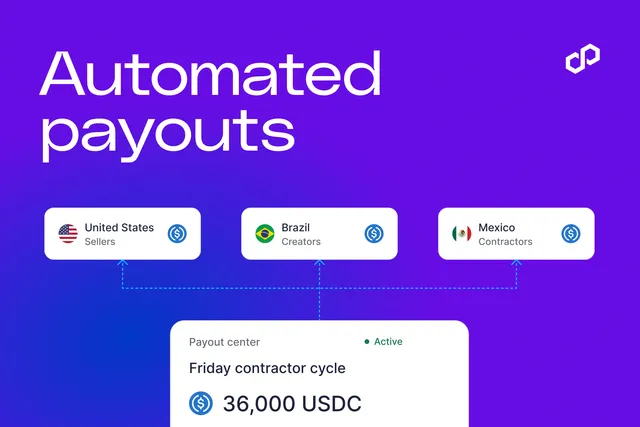
New to Polygon OMS: Automated stablecoin payout runs with rules your team sets

Polygon Open Money Stack now supports TRON
Meet Polygon at Money20/20 USA
Monerium, Frax and Capa connect euro payments to onchain FX markets on Polygon
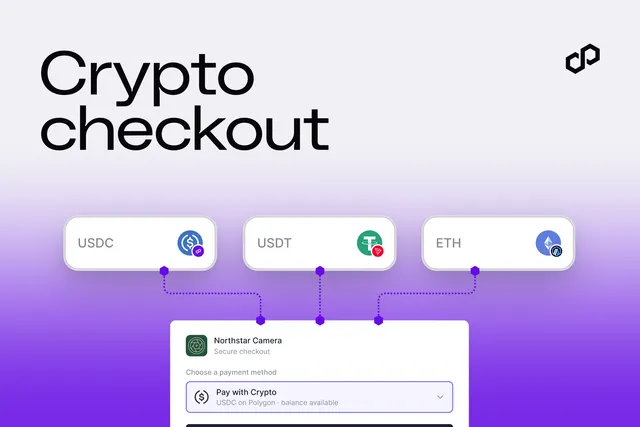
Introducing crypto checkout in Polygon Open Money Stack
Polygon passes $3 trillion in stablecoin transfer volume
Polygon Chain now supports 11 million payments per second
New to Polygon OMS: Recurring Stablecoin Subscriptions With One Customer Approval