.CXtdIGFA.png)
tl;dr:
- Ithaca ships an automatic failover that keeps transactions moving smoothly in the rare case a block producer stalls, new safeguards to protect against transactions that could strain the network, and clearer operational visibility for node operators on Polygon Chain.
- This is the fourth mainnet upgrade in under five months (Lisovo, Giugliano, Zurich, and now Ithaca). Each one creates an even better payments experience on Polygon: reliable uptime, predictable performance under load, and transactions that always land.
The Ithaca upgrade has shipped on Polygon mainnet at block 50,185,000. It helps make payments on Polygon Chain steadier in three concrete ways: transactions keep flowing even when a producer hits a snag, oversized transactions can no longer drag the network off pace, and the operators running the chain can see problems sooner and act faster.
That is the whole point of Ithaca. Small but mighty changes to keep money flowing the way it is supposed to, more of the time, with fewer reasons for users to think about the rails underneath their payments.
What “more reliable” actually feels like
For most people building or running payments, the best possible day is an invisible one. Nobody praises a payment network for the transaction that cleared on time. They only notice the one that stalled, the one stuck in limbo, or the refund that never came through.
Reliability is trust that compounds. The first time a payment clears cleanly, a customer is relieved. The hundredth time, they stop watching. By the thousandth, they have quietly built their business on top of you without ever deciding to. That accumulation only holds if the floor never drops out. One bad stall at the wrong moment can undo a lot of quiet, earned confidence.
Ithaca closes one of those drop-out moments. Before this upgrade, if the node responsible for producing blocks ran into trouble, the network could stall for roughly 15 minutes with no automatic recovery. Fifteen minutes doesn’t sound like much until it’s fifteen minutes during a sales rush, a payroll run, or a customer trying to check out. Now a healthy producer will be rotated in automatically, so transactions keep moving.
Ithaca also adds new safeguards that block oversized transactions before they can slow down or destabilize the network. For anyone running high volumes of payments, that means the chain behaves the same under load as it does on a quiet afternoon. For money movement, predictable is the entire product.
Ithaca brings fewer edge cases where things can go sideways, fewer moments where a person has to step in, and more transactions that simply clear and are forgotten.
Part of a longer effort
Ithaca is part of a broader, ongoing effort to strengthen every part of the chain that payments depend on. Our team keeps returning to the same question, upgrade after upgrade: Where can payments break, and how do we close that gap before it reaches anyone relying on us?
For node operators
If you run infrastructure on Polygon, Ithaca requires Heimdall v0.10.0. Running mixed versions across the activation height is not supported. Full details are in the Polygon forum.
Building payments on Polygon?
If you are building a payments product and want a chain that treats reliability as the feature, let’s talk. Book a call.

Polygon Open Money Stack is now a U.S.-regulated payments platform with completion of Coinme acquisition
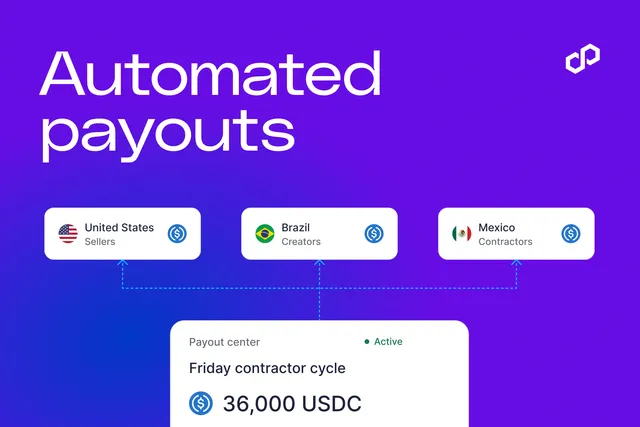
New to Polygon OMS: Automated stablecoin payout runs with rules your team sets

Polygon Open Money Stack now supports TRON
Meet Polygon at Money20/20 USA

Monerium, Frax and Capa connect euro payments to onchain FX markets on Polygon
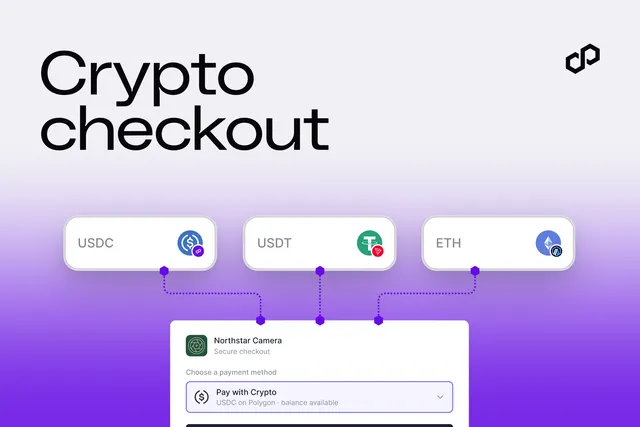
Introducing crypto checkout in Polygon Open Money Stack
Polygon passes $3 trillion in stablecoin transfer volume
Polygon Chain now supports 11 million payments per second

New to Polygon OMS: Recurring Stablecoin Subscriptions With One Customer Approval