tl;dr
- Polygon Labs, Frax, Curve Finance and DFB have launched FX liquidity pools on the Polygon network
- Frax USD (frxUSD) is the base dollar stablecoin for every pool, giving each currency pair a deep, stable anchor
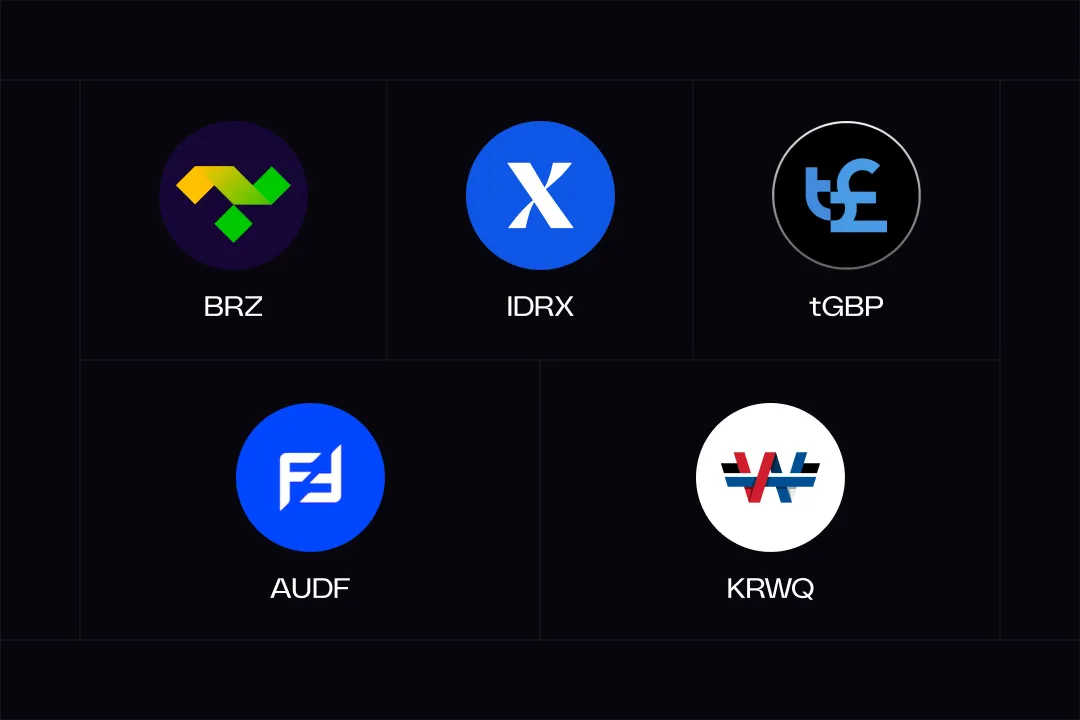
- Initial pairs: BRZ (Brazilian real), IDRX (Indonesian rupiah), tGBP (British pound), AUDF (Australian dollar), KRWQ (Korean won), and USDT
- Polygon’s $0.002 average transaction fee makes commercial FX viable onchain
- DFB provides the market-making and liquidity infrastructure for the non-USD stablecoin pairs
- Curve’s FXSwap pool type provides the exchange infrastructure
- Incentives and gauges are live now: provide liquidity or swap on Curve
Polygon Labs, Frax, Curve Finance, and DFB have launched a suite of foreign exchange liquidity pools on Polygon, making it possible to provide liquidity or swap between global currencies onchain with frxUSD as the base dollar pairing. These FX pools are live now on Curve’s Polygon deployment. In addition, all four partners have also collaborated on an incentive program to grow liquidity across these pools.
The initial pools pair frxUSD against BRZ (Brazilian real), IDRX (Indonesian rupiah), tGBP (British pound), AUDF (Australian dollar), KRWQ (Korean won), and USDT, with additional currency pairs in development. Together, Frax and Curve are two of the longest-running protocols on the Polygon network, and this is the first time their infrastructure has been combined to serve cross-currency liquidity at scale.
Cross-border FX costs businesses billions. Three barriers kept it offchain
$6.6 trillion moves through foreign exchange markets every day. The spread between currencies costs businesses billions annually, and cross-border FX has remained expensive, slow, and concentrated in the hands of a small number of intermediaries for decades.
Onchain FX has been theoretically possible for years, but the combination never worked at commercial scale. Transaction fees on most networks ate into the spread. Dollar-side liquidity was fragmented. And the AMM (automated market maker) infrastructure hadn’t earned the trust of institutional participants.
Those three barriers fell at the same time.
A stable dollar base, a trusted exchange, deep FX liquidity, and sub-cent fees
frxUSD is the anchor. Frax designed it as a dollar stablecoin fully-backed by tokenized U.S. Treasuries from leading institutions like BlackRock, WisdomTree, and Superstate. Built to be the third default stablecoin alongside USDC and USDT, frxUSD is just as secure with better unit economics, making it a more productive base asset for DeFi liquidity.
Frax takes the underlying Treasury yield and forwards it as sustainable LP incentives, improving the capital efficiency of all pools.
Curve Finance provides the exchange layer. Its FXSwap pool type is optimized for currency-pair trading, offering tighter spreads and lower slippage than general-purpose AMMs. Curve has operated for years as the deepest stablecoin liquidity venue in DeFi, with a track record institutional participants have tested and validated.
DFB Network is the liquidity infrastructure layer that makes these pools operational. As a fintech pioneer bridging TradFi and DeFi, DFB designs and operates the on-chain FX liquidity solutions that bring BRL, IDR, GBP, AUD, and other currency-pegged stablecoins into deep, governed markets. DFB’s expertise in DeFi market-making, and stablecoin integration is what connects international blockchain initiatives, and their real economic demand, to the open infrastructure that Curve and Polygon provide.
Polygon Chain is the distribution layer. A typical token transfer costs an average of $0.002. That cost structure is what makes onchain FX commercially viable. Polygon already leads all chains in USDC transfer volume, with $2.4 trillion in total stablecoin volume processed to date.
The network’s 2,600+ TPS capacity means these pools can handle the throughput real payment flows demand.
“The next phase of stablecoins is currency inclusive,” said Marc Boiron, CEO of Polygon Labs. “When you pair sub-cent transaction fees with a stable dollar base like frxUSD and Curve’s liquidity infrastructure, you get something the traditional FX market has never offered: transparent pricing, instant settlement, and access for any company, not just the ones with a prime brokerage relationship. That’s the kind of infrastructure we built Polygon to support.”
Faster settlement, tighter spreads, yield on real volume
A fintech settling cross-border B2B payments between Brazil and the United States can now swap BRZ to frxUSD at market rates onchain, settle in seconds, and pay a fraction of a cent in fees.
For a company processing $10 million monthly, even a 50-basis-point improvement in FX spreads returns $50,000 per month to the business.
Treasury teams managing multi-currency positions can rebalance in seconds rather than days, with full transparency on pricing. Liquidity providers can earn yield on currency pairs that move real economic volume: BRZ is the longest-lasting Brazilian real stablecoin, IDRX serves a large retail base across Indonesia, tGBP is the premier British Pound pegged stablecoin, and AUDF is backed by one of the largest OTC desks in Oceania. The underlying demand reflects actual cross-border payment flows, not speculation.
Liquidity and incentives are live now
Liquidity providers can deposit into Curve FX pools on Polygon now through Curve’s Polygon interface. Incentives are live, and each pool is equipped with a gauge for reward distribution.
If you are a fintech, payment company, or treasury team evaluating onchain FX infrastructure, learn more at polygon.technology or reach out to our team directly.
The world’s currencies are moving onchain. We built the settlement rails to handle them.
Polygon Open Money Stack is now a U.S.-regulated payments platform with completion of Coinme acquisition
New to Polygon OMS: Automated stablecoin payout runs with rules your team sets
Polygon Open Money Stack now supports TRON
Meet Polygon at Money20/20 USA
Monerium, Frax and Capa connect euro payments to onchain FX markets on Polygon
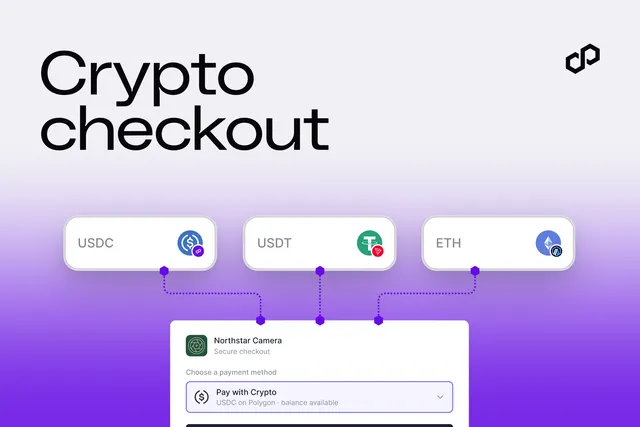
Introducing crypto checkout in Polygon Open Money Stack
Polygon passes $3 trillion in stablecoin transfer volume
Polygon Chain now supports 11 million payments per second
New to Polygon OMS: Recurring Stablecoin Subscriptions With One Customer Approval