TL;DR
- Polygon Chain now supports up to 5,000 payments per second after a recent upgrade raises gas limit to 160M at 1.5s blocks
- Network fees stay low and predictable as volume grows, at a fraction of the cost of traditional card rails
- Earlier this month, our Open Money Stack entered technical preview, with limited early access to select partners
- Polygon is the settlement rails for the Open Money Stack
Polygon Chain now supports 5000 payments per second after a successful upgrade, putting it in the same tier as Visa’s average daily load but at a fraction of the cost.
This comes as the Polygon Open Money Stack (OMS) enters technical preview, bringing limited early access to select partners. With Polygon as the underpinning settlement rail, the OMS makes end-to-end global payments easy with a single integrated API.
Over the last year, we’ve been upgrading Polygon consistently to meet demand. A payments upgrade last fall made the path to 5K payments feasible, and each upgrade since has been a balance of increasing speed while keeping fees predictable and the network resilient.
Here’s what the upgrade looks like and why it matters for neobanks, institutions, and payments companies looking to integrate once for stablecoin payments.
What we changed
We raised the Polygon Chain block gas limit to 160M while holding block times at 1.5 seconds. That adds the room to clear far more payments without changing fees or reliability.
This is one step in a continuous push to make Polygon the best chain to move money.
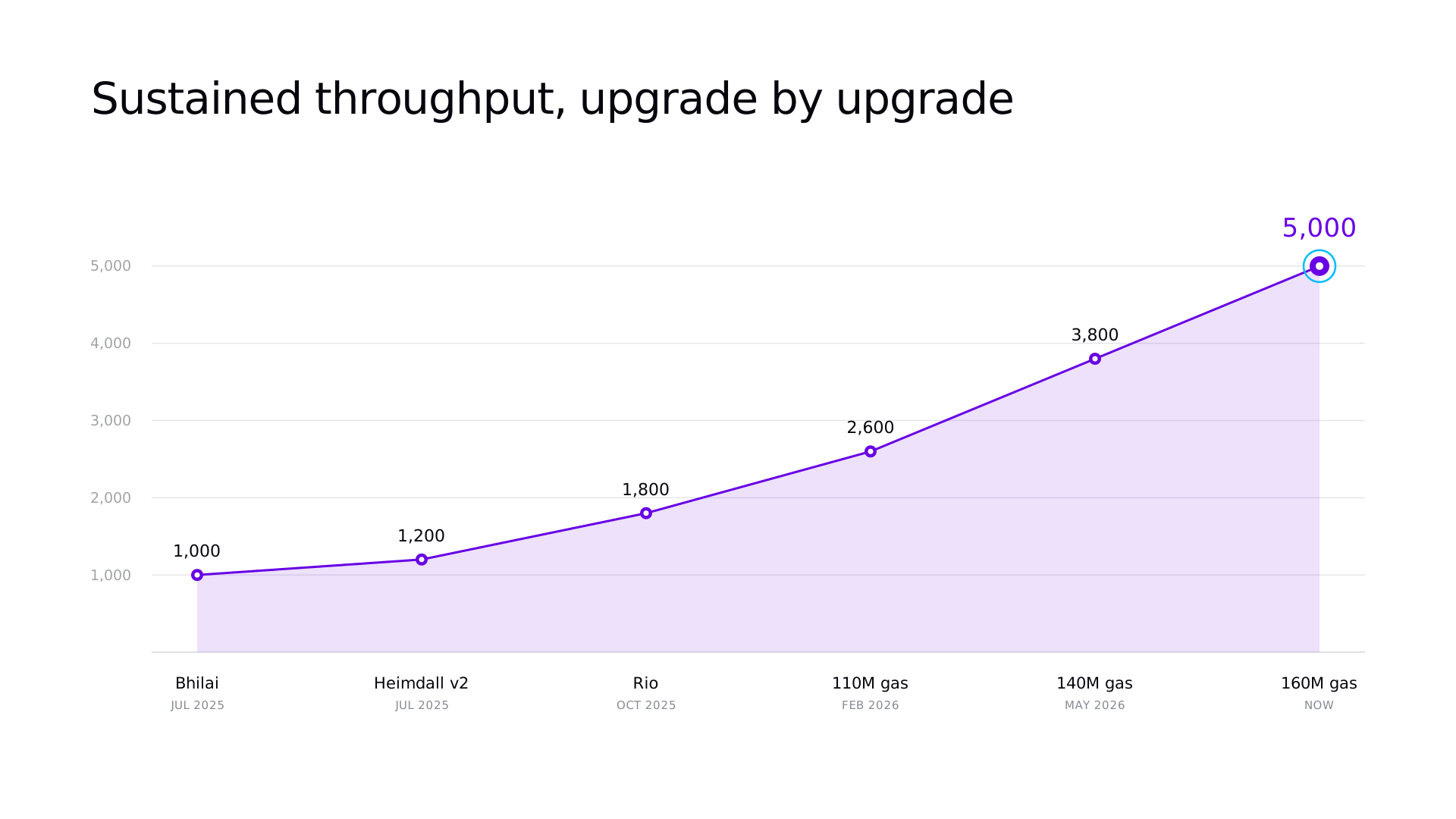
The path to get here has been a series of upgrades over the last year:
- Bhilai (July 2025): gas limit raised from 30M to 45M for 1,000+ TPS, plus gasless transactions via EIP-7702
- Heimdall v2 (July 2025): finality cut from 1 to 2 minutes to about 5 seconds
- Rio (October 2025): block production rebuilt for payments; reorgs eliminated, so every confirmed block is final
- Capacity raise to 110M gas (February 2026): 83% more room, 2,600+ TPS at roughly $0.002 per transaction
- Giugliano (April 2026): confirmations about 2 seconds faster, fee parameters published onchain, more headroom under load
- 160M block gas (now): capacity for up to 5,000 payments per second, same fees, same reliability
Why it matters: costs you can plan around
Onchain, fees usually climb when a network gets congested. Polygon attacks that on two fronts. The 160M gas limit adds enough room that it takes far more volume before blocks fill and fees move at all. And the fee mechanism itself is now smoother and bounded, so when fees do change, they change gradually instead of in sudden spikes. The result is fees that stay low and predictable as you scale.
Fees still respond to demand, but the response is gradual and bounded
For the teams building stablecoin payroll, remittances, or B2B settlement, that means you can model unit economics at scale with confidence. Throughput stops being a limiting variable, and so does cost volatility. You get the scale of a card network with the economics blockchain was supposed to deliver.
Who already moves money on Polygon
Polygon is not waiting for payment volume to arrive. It is already here. Billions in stablecoins settle on Polygon every month, and the teams moving real money are already building on it.
Stripe turned on global USDC payments on Polygon in December 2025, giving merchants in 150+ countries a way to accept stablecoins and settle in USD. Polymarket settles billions in prediction-market volume on Polygon. BlackRock’s BUIDL, Franklin Templeton’s BENJI, and Apollo’s tokenized fund all live on Polygon.
This upgrade gives institutions more headroom to grow.
Where we’re headed with the Open Money Stack
This follows the Bhilai and Rio upgrades and advances the Gigagas roadmap, our multi-phase program toward far higher throughput, built one milestone at a time.
5,000 is just our latest milestone.
Every upgrade compounds. More throughput means the Open Money Stack can carry more payments at lower cost, and gets us closer to moving all money onchain.
If you are building payments, get early access to the Open Money Stack today→ Get early access
Introducing Polygon CDK Besu: Launch a Hyperledger Besu chain connected to other chains and their liquidity

Polygon Open Money Stack is now a U.S.-regulated payments platform with completion of Coinme acquisition
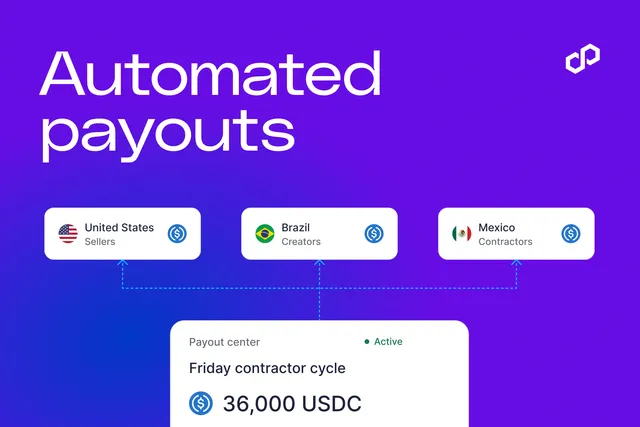
New to Polygon OMS: Automated stablecoin payout runs with rules your team sets
Polygon Open Money Stack now supports TRON
Meet Polygon at Money20/20 USA
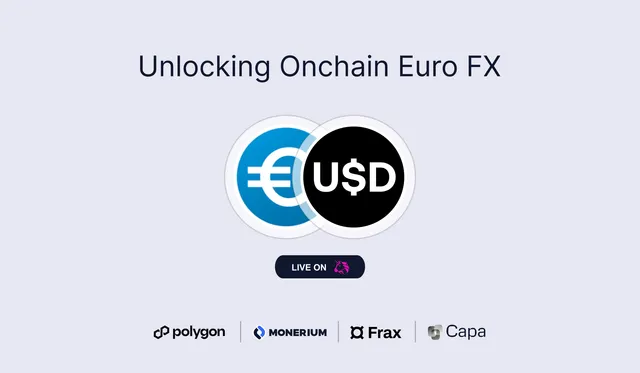
Monerium, Frax and Capa connect euro payments to onchain FX markets on Polygon
Introducing crypto checkout in Polygon Open Money Stack
Polygon passes $3 trillion in stablecoin transfer volume
Polygon Chain now supports 11 million payments per second