The much-anticipated implementation of Ethereum Improvement Proposal 1559 is coming to the Polygon blockchain, bringing with it burning of the native MATIC token and better fee visibility.
Known as the London hardfork, EIP-1559 went live on Ethereum mainnet in August last year and was one of the biggest changes in its history. After a successful upgrade on the Mumbai testnet, Polygon’s core development team is rolling it out on the mainnet. It goes live on Jan. 18, at 3 a.m. UTC.
EIP-1559 gets rid of first-price auction as the main mechanism for fee calculation. Instead, there is a discrete base fee for transactions to be included in the next block and a priority fee to speed up processing. The base fee, which fluctuates depending on network congestion, is then burned.
The burning is a two-step affair that starts on the Polygon network and completes on the Ethereum network. The Polygon team has created a public interface where users can monitor and become part of the burning process. Stay tuned for the link to the page, which will go live when the upgrade is complete.
EIP-1559 changes do not lower the fees paid for transactions, since gas prices are determined by supply and demand. They do allow users to better estimate costs since the base fee is the minimum price for inclusion in the next block. This will result in fewer users overpaying.
These changes have far-reaching implications for all of Polygon’s stakeholders.
Token Holders
Polygon’s MATIC has a fixed supply of 10 billion, so any reduction in the number of available tokens will have a deflationary effect. We took Ethereum’s experience since the upgrade as the baseline to simulate the potential impact on MATIC’s total supply. The analysis, which can be seen here, suggests that annualized burn would represent 0.27% of the total MATIC supply.
DApp Users and Developers
Users of decentralized apps (dApps) on Polygon, which already enjoy some of the lowest fees in the industry, will benefit from more predictable gas prices. The downsides are fewer MATIC tokens available because of the burn and a gas fee curve more similar to that of Ethereum. Developers will receive a boost by having all of their Ethereum tooling work seamlessly and face minimal adverse effects.
Validators and Delegators
Deflationary pressure will benefit borth validators and delegators, because their rewards for processing transactions are denominated in MATIC. Because the base fee increases automatically if the block is full, the changes will result in fewer spam transactions and lead to less network congestion. Validators, who now receive the total amount of the fees, will be getting only the priority fee in the future.
Polygon’s core development team is very excited to bring these improvements to everyone in the ecosystem! For a more technical overview of how EIP-1559 is being implemented, click here. To keep up with the latest developments, check out our blog.
Let’s bring the world to Ethereum!
Website | Twitter | Ecosystem Twitter | Developer Twitter | Studios Twitter | Telegram | LinkedIn | Reddit | Discord | Instagram | Facebook
Introducing Polygon CDK Besu: Launch a Hyperledger Besu chain connected to other chains and their liquidity
Polygon Open Money Stack is now a U.S.-regulated payments platform with completion of Coinme acquisition
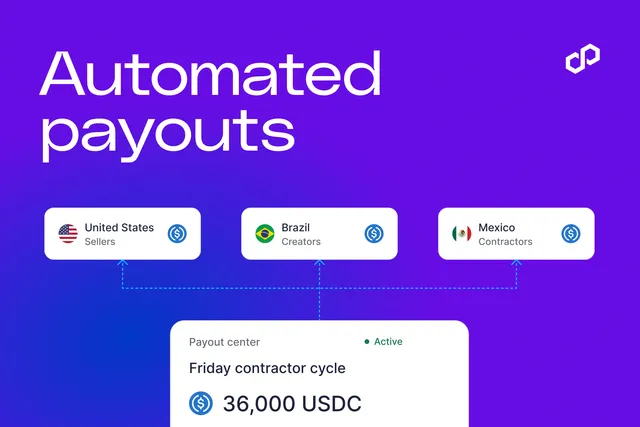
New to Polygon OMS: Automated stablecoin payout runs with rules your team sets
Polygon Open Money Stack now supports TRON
Meet Polygon at Money20/20 USA
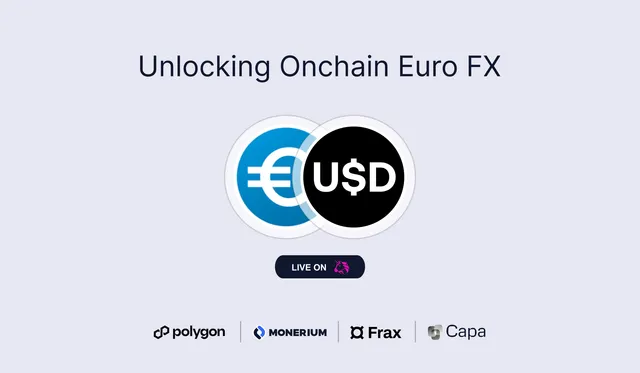
Monerium, Frax and Capa connect euro payments to onchain FX markets on Polygon
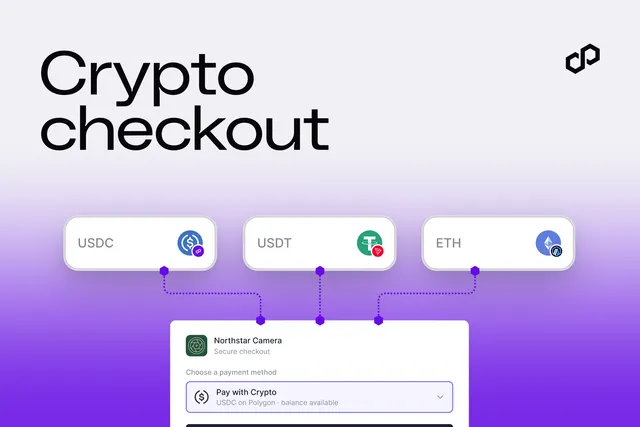
Introducing crypto checkout in Polygon Open Money Stack
Polygon passes $3 trillion in stablecoin transfer volume
Polygon Chain now supports 11 million payments per second